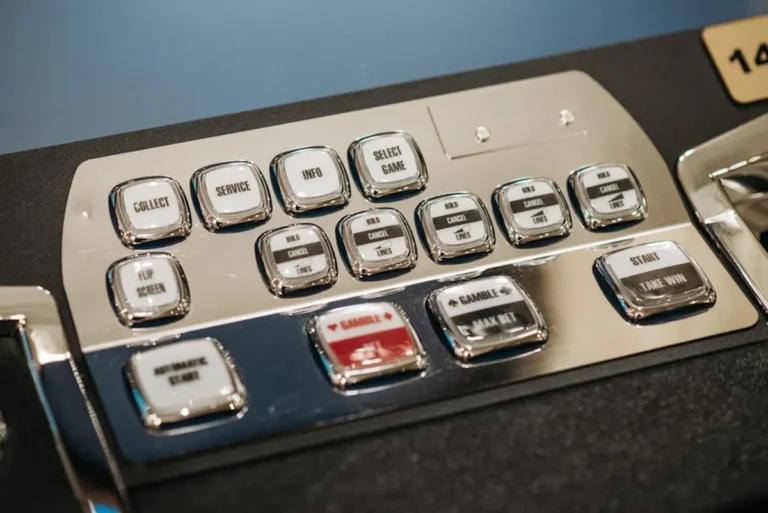

Baccarat, often perceived as a high-stakes game, is fundamentally one of the simplest and most accessible casino card games available. Its appeal to beginners stems from straightforward rules and the absence of complex strategic decisions during play. Understanding the core mechanics and optimal betting choices can significantly improve a new player's experience, making it a compelling option for those new to casino table games.
The Core Mechanics of Baccarat
The objective in baccarat is to predict which of two hands—the "Player" or the "Banker"—will have a total card value closest to nine. A third option, the "Tie" bet, predicts both hands will have the same value. Crucially, players do not physically play either hand; they only bet on the outcome.
Card Values and Hand Totals
- Cards 2 through 9 are worth their face value.
- Tens, Jacks, Queens, and Kings (face cards) are worth zero.
- Aces are worth one.
When the total value of a hand exceeds nine, only the second digit counts. For example, a hand with a 7 and a 6 totals 13, but its baccarat value is 3. A hand with an 8 and a 2 totals 10, but its baccarat value is 0.
The Deal Procedure
Each round begins with the dealer distributing two cards face-up to both the Player and Banker positions. The game then proceeds based on a strict set of rules that determine if a third card is drawn for either hand. Players are observers during this process, not participants in decision-making regarding additional cards.
Understanding the Three Main Bets
The primary decision a baccarat player makes is where to place their wager. Each of the three main bets carries distinct odds and payout structures.
The Player Bet
A wager on the Player hand to win. If the Player hand finishes closer to nine, this bet pays even money (1:1). The house edge for the Player bet is approximately 1.24%. While slightly higher than the Banker bet, it does not incur a commission on winnings, simplifying payouts.
The Banker Bet
A wager on the Banker hand to win. This is statistically the most advantageous bet due to the Banker's slightly favorable drawing rules. If the Banker hand wins, it also pays even money (1:1), but a 5% commission is typically deducted from winnings. This commission accounts for the lower house edge, which averages around 1.06%.
The Tie Bet
A wager that both the Player and Banker hands will end with the same total value. This bet offers a significantly higher payout, typically 8:1 or 9:1, reflecting its much lower probability of occurring. The house edge for the Tie bet is substantially higher than the other two, often ranging from 14.36% to over 15%, depending on the specific payout structure. For new players focused on maximizing their chances, the Tie bet is generally discouraged.
Warning: While the Tie bet offers an attractive payout, its high house edge makes it a poor choice for consistent play. Focusing on the Banker or Player bets provides a significantly better return over time due to their lower inherent risk.
The Third Card Rule: Automatic Play
Unlike blackjack, where players decide whether to hit or stand, baccarat operates on predetermined third-card rules. Players do not influence whether an additional card is drawn. The dealer follows these rules automatically, making the game entirely reliant on initial bet placement.
Player's Third Card Rule
If the Player's initial two-card total is 0, 1, 2, 3, 4, or 5, the Player hand draws a third card. If the total is 6 or 7, the Player stands. A total of 8 or 9 is a "natural," and no further cards are drawn for the Player hand.
Banker's Third Card Rule
The Banker's third card rule is more complex and depends on both the Banker's initial two-card total and, in many cases, what the Player's third card was (if any). For example, if the Banker's total is 0, 1, or 2, the Banker always draws a third card. If the Banker's total is 7, the Banker always stands. Intermediate totals (3, 4, 5, 6) have specific conditions for drawing based on the Player's third card. However, as a player, understanding the intricacies of these rules is not necessary for play, as the dealer manages all card draws automatically.
Managing Your Bankroll Effectively
Responsible bankroll management is critical in any casino game, including baccarat. Establishing clear limits before playing helps maintain control and ensures the experience remains entertaining.
Setting Limits
Determine a fixed amount of money you are comfortable losing before you begin playing. This "session bankroll" should be independent of other funds. Once this limit is reached, cease playing for the session. Similarly, set a win goal. If you reach a predetermined profit, consider ending your session to lock in gains.
Understanding House Edge Impact
The house edge represents the casino's statistical advantage over time. Even with a low house edge like baccarat's Banker bet, continuous play will eventually favor the house. Bankroll management helps mitigate the impact of this edge by limiting exposure and encouraging strategic breaks.
Dispelling Common Myths and Strategies
Many myths surround baccarat, particularly concerning pattern recognition and betting systems. For beginners, it is essential to understand why these approaches are generally ineffective.
Pattern Recognition
Observing past results, often recorded on scorecards or digital displays ("roadmaps"), is a common practice. However, each hand in baccarat is an independent event. Past outcomes have no bearing on future results. The probability of the Player or Banker winning remains constant, regardless of previous streaks or chops. Relying on patterns can lead to irrational betting decisions.
Progressive Betting Systems
Systems like the Martingale, where bets are doubled after a loss, are frequently discussed. While they can appear effective over short periods, they are ultimately unsustainable. These systems require an infinite bankroll to guarantee a win and are vulnerable to table limits and losing streaks, which can quickly deplete funds. Baccarat, being a game of chance, cannot be consistently beaten by such methods.
Practical Play: Where to Start
For beginners, starting with free play or low-stakes options offers a risk-free environment to familiarize themselves with the game flow.
Free Play and Demo Versions
Most online casinos offer demo versions of baccarat. These allow players to practice betting, observe the third-card rules in action, and understand payouts without financial commitment. This is the ideal starting point for any new player.
Live Dealer Baccarat
Once comfortable with the rules, live dealer baccarat provides an immersive experience that bridges the gap between digital and physical casinos. Players interact with a real dealer via video stream, offering a more authentic feel while still benefiting from online convenience. Start with tables offering low minimum bets to manage risk.
Key Takeaways for Confident Play
To approach baccarat effectively as a beginner, focus on these core principles:
- Always bet on the Banker hand due to its statistically lower house edge, even with the 5% commission.
- Avoid the Tie bet entirely, as its high house edge makes it unprofitable in the long run.
- Understand that baccarat is a game of chance; no strategy can predict outcomes or overcome the house edge consistently.
- Implement strict bankroll management by setting limits for both losses and wins per session.
- Utilize free play options to build familiarity with the game's flow before wagering real money.
By adhering to these guidelines, beginners can enjoy baccarat as an engaging and accessible casino game with a clear understanding of its probabilities and optimal betting strategies.
Frequently Asked Questions
Is baccarat a game of skill or chance?
Baccarat is primarily a game of chance. While players make a single decision on which hand to bet, the outcome of each round is determined by card draws and fixed rules, not player skill or strategy.
Why is there a commission on the Banker bet?
The 5% commission on winning Banker bets is imposed because the Banker hand has a slightly higher statistical probability of winning due to the specific third-card drawing rules. This commission balances the house edge across the Player and Banker bets.
Can I count cards in baccarat like in blackjack?
While technically possible to count cards in baccarat, its effectiveness is negligible. The high number of cards dealt and the specific drawing rules make card counting an impractical and ineffective strategy for gaining an advantage.