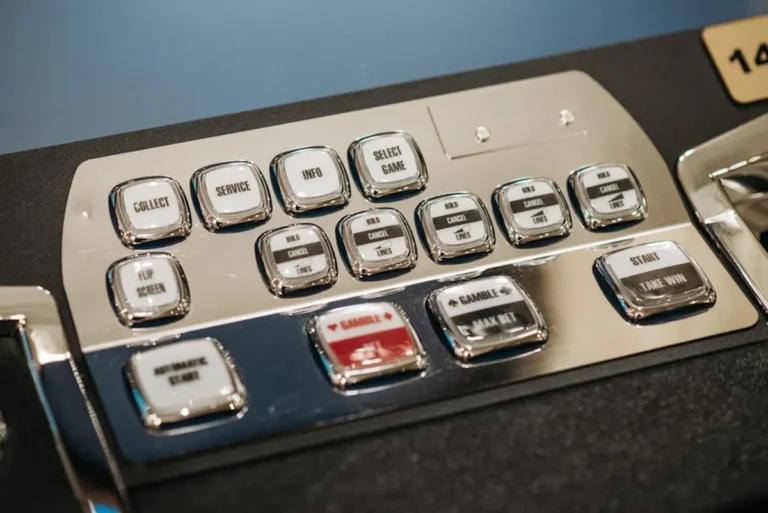

Navigating the online casino landscape requires a fundamental understanding of login security to safeguard both financial assets and personal data. Without robust protective measures, players expose themselves to risks ranging from account compromise and unauthorized transactions to identity theft. This guide outlines the critical steps and best practices for maintaining a secure login environment, ensuring your online gaming experience remains protected from common vulnerabilities and sophisticated threats. Prioritizing these security protocols is not merely a recommendation but an essential prerequisite for any individual engaging with online casino platforms.
Why Secure Casino Logins Matter
The integrity of your casino login directly impacts the security of your funds and personal information. Online casino accounts often link to banking details, credit cards, and sensitive personal identifiers. A compromised login can lead to immediate financial loss, as unauthorized parties gain access to your deposited funds or linked payment methods. Beyond direct monetary theft, account breaches can expose your personal data, including names, addresses, and even government identification numbers, making you vulnerable to broader identity fraud. The commercial implications extend to the platform itself, as security incidents erode user trust and can lead to significant reputational damage and regulatory penalties. For players, the consequence is not just a lost balance, but potentially a protracted and stressful process of recovering identity and funds.
Essential Security Measures for Players
Proactive security starts with individual player habits and the implementation of specific safeguards. These measures create a multi-layered defense against most common attack vectors.
Strong, Unique Passwords
The foundation of account security rests on password strength. A strong password combines length, complexity, and uniqueness. It should be at least 12 characters long and include a mix of uppercase and lowercase letters, numbers, and symbols. Crucially, each online casino account should have a unique password. Reusing passwords across multiple sites means that a breach on one platform can compromise all others using the same credential. Password managers are indispensable tools for generating, storing, and auto-filling complex, unique passwords securely, eliminating the need for memorization.
Two-Factor Authentication (2FA)
Implementing 2FA adds a critical second layer of defense beyond your password. Even if a malicious actor obtains your password, they cannot access your account without the second factor. Common 2FA methods include:
- SMS Codes: A one-time code sent to your registered mobile number. While convenient, this method can be vulnerable to SIM-swapping attacks.
- Authenticator Apps: Apps like Google Authenticator or Authy generate time-based one-time passwords (TOTP) that refresh every 30-60 seconds. These are generally more secure than SMS codes.
- Hardware Security Keys: Physical devices that plug into a USB port or connect wirelessly, offering the highest level of 2FA security by requiring physical presence.
Activating 2FA on all available casino platforms significantly reduces the risk of unauthorized access.
Recognizing Secure Connections
Before entering any login credentials, verify that the website uses a secure, encrypted connection. This is indicated by "HTTPS" in the URL (instead of "HTTP") and a padlock icon in your browser's address bar. Clicking the padlock icon usually displays certificate details, confirming the site's identity. Unsecured connections can allow third parties to intercept data, including your login information, as it travels between your device and the server.
Device Security Practices
The security of your login also depends on the security of the device you are using. Regularly update your operating system, web browser, and antivirus software. These updates often include critical security patches that protect against newly discovered vulnerabilities. Avoid logging into casino accounts on public or shared computers, and always ensure your personal devices are protected with strong passwords or biometric authentication.
Identifying Legitimate Casino Platforms
A significant aspect of login safety involves ensuring you are interacting with a legitimate and reputable online casino. Fraudulent sites are designed to mimic real ones to steal login credentials and funds. Always verify the casino's licensing information, typically found in the footer of their website. Legitimate casinos are regulated by recognized authorities (e.g., Malta Gaming Authority, UK Gambling Commission) and display their license numbers prominently. Check independent reviews and player forums for feedback on the casino's reputation, payout reliability, and customer service responsiveness. A site with a history of unresolved complaints or suspicious terms and conditions should be avoided. Understanding casino licensing and regulatory information is key to ensuring you're playing on a secure and fair platform.
Common Login Scams and How to Avoid Them
Awareness of prevalent scam tactics empowers players to sidestep potential traps.
Phishing Attempts
Phishing involves deceptive communications, often emails or SMS messages, designed to trick you into revealing login credentials. These messages may appear to come from a legitimate casino, using similar branding and urgent language (e.g., "Your account has been suspended," "Verify your details immediately"). Always inspect the sender's email address for discrepancies and hover over links before clicking to see the true destination URL. Never enter login details directly from a link in an email; instead, navigate to the casino's official website by typing the URL directly into your browser.
Public Wi-Fi Risks
Public Wi-Fi networks (e.g., in cafes, airports) are inherently insecure. They often lack encryption, making it easy for malicious actors on the same network to intercept your data, including login credentials, through "man-in-the-middle" attacks. Avoid logging into any sensitive accounts, including online casinos, while connected to public Wi-Fi. If you must, use a Virtual Private Network (VPN) to encrypt your internet traffic, creating a secure tunnel between your device and the internet.
Malware and Keyloggers
Malware, including keyloggers, can record your keystrokes, capturing your usernames and passwords as you type them. These malicious programs are often installed through infected downloads, malicious email attachments, or compromised websites. Maintain up-to-date antivirus software and conduct regular scans. Be cautious about downloading software from untrusted sources and avoid clicking suspicious links or opening unsolicited attachments.
Pro Tip: Never share your login credentials, even with customer support. Legitimate casino support staff will never ask for your password. If someone requests this information, it is a definitive red flag for a scam attempt.
What to Do If Your Account is Compromised
Immediate action is crucial if you suspect your casino account has been compromised. First, attempt to change your password immediately. If you cannot access your account, contact the casino's customer support team through their official channels (phone number or email listed on their official website, not from a suspicious email). Inform them of the situation, providing all necessary details for verification. Monitor your account for any unauthorized transactions and review your linked payment methods for suspicious activity. If funds have been stolen, report it to your bank or payment provider. Finally, change passwords on any other accounts where you might have used the same credentials and enable 2FA universally.
Maintaining Account Integrity
Securing your online casino login is an ongoing responsibility that combines diligent personal practices with an understanding of digital threats. By consistently employing strong, unique passwords, activating two-factor authentication, verifying secure connections, and exercising caution against phishing and malware, players can significantly reduce their risk exposure. Regular vigilance and prompt action in the event of a suspected breach are paramount to protecting your financial interests and personal data in the dynamic online gaming environment. Treat your casino login credentials with the same care as your physical wallet.
Frequently Asked Questions
What is the most effective way to create a strong password?
The most effective way is to use a password manager to generate a long (12+ characters), complex, and unique password for each account. This ensures a mix of uppercase and lowercase letters, numbers, and symbols, and avoids reuse across different platforms.
How can I tell if a casino website is legitimate before logging in?
Look for HTTPS in the URL and a padlock icon, indicating a secure connection. Verify the casino's licensing information, typically found in the website footer, and cross-reference it with the relevant regulatory authority. Check independent reviews and player forums for reputation.
Is it safe to use a public Wi-Fi network for online casino activities?
No, public Wi-Fi networks are generally insecure and susceptible to data interception. Avoid logging into sensitive accounts, including online casinos, on public Wi-Fi. If unavoidable, always use a reputable Virtual Private Network (VPN) to encrypt your connection.
What should I do if I receive a suspicious email claiming to be from my casino?
Do not click on any links or download attachments. Instead, navigate directly to the casino's official website by typing the URL into your browser. Log in there to check your account status or contact customer support using the official contact information provided on their site.