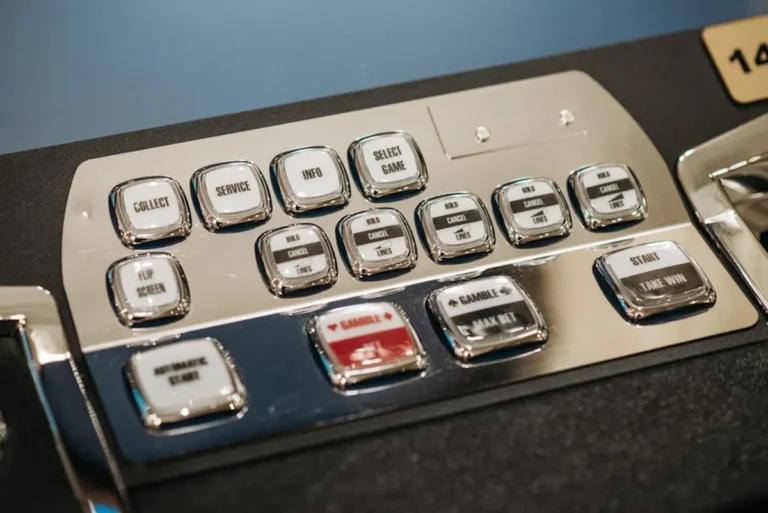

Understanding and managing personal finances, especially concerning discretionary activities like casino gaming, requires a clear, systematic approach. Tracking casino spending responsibly is not merely about accounting for every dollar; it is a fundamental practice for maintaining financial health, identifying behavioral patterns, and ensuring that entertainment remains within sustainable limits. This process enables individuals to make informed decisions about their gaming habits, preventing potential financial strain and fostering a balanced relationship with casino play.
Understanding Your Motivation for Tracking
Before implementing any tracking system, clarify the core reasons for monitoring your casino expenditures. This initial step grounds the entire process in personal relevance and makes adherence to the tracking method more likely.
Identifying Financial Goals
Define what "responsible" means for your personal financial situation. This could involve setting a strict monthly entertainment budget, ensuring casino spending does not impact essential living expenses, or saving for specific long-term goals. Without clear financial boundaries, tracking becomes a data collection exercise without a purposeful outcome. For instance, if your goal is to limit casino spending to 5% of your discretionary income, your tracking system must easily demonstrate whether you are meeting this target.
Recognizing Behavioral Patterns
Beyond monetary limits, tracking helps uncover behavioral trends. Do you spend more on specific days of the week? Are certain games more likely to lead to higher expenditures? Do losses trigger increased spending in an attempt to recover funds? Understanding these patterns through consistent data collection allows for proactive adjustments, such as setting time limits or avoiding specific game types that tend to escalate spending.
Establishing a Baseline: Initial Data Collection
The foundation of effective tracking is accurate data. Begin by collecting comprehensive information on all casino-related financial activities. This includes both money entering and leaving your gaming accounts or physical wallet.
- Deposits: Record every instance of money transferred into a casino account or cash withdrawn for physical casino play. Note the date, amount, and source of funds.
- Withdrawals: Document all funds successfully withdrawn from casino accounts. This helps differentiate between gross deposits and net funds available.
- Wins and Losses per Session: For each gaming session, record the starting balance, ending balance, and the net outcome (win or loss). This provides granular insight into individual play sessions.
- Time Spent Gaming: While not a direct financial metric, recording the duration of play sessions can correlate with spending patterns and identify if excessive time commitment is a factor.
- Associated Costs: Include any related expenses, such as transportation to a physical casino, food, or accommodation, to get a complete picture of the overall entertainment cost.
Choosing the Right Tracking Tools and Methods
The effectiveness of your tracking system largely depends on its usability and your commitment to regular updates. Select a method that aligns with your technical comfort and daily routine.
Manual Ledger Systems
Best for: Individuals who prefer tangible records, minimal digital interaction, or those managing cash-based play.
A simple notebook or a printed ledger provides a direct, low-tech solution. Each entry can include date, activity (deposit, withdrawal, game played), amount, and a running balance. This method offers immediate visual feedback and requires no software, but relies entirely on consistent manual input.
Spreadsheet-Based Tracking
Best for: Users comfortable with basic digital tools, seeking customizable categories, and desiring automated calculations.
Spreadsheet software (like those found in common office suites) allows for detailed categorization, automated sum totals, and basic charting. You can create columns for date, type of transaction, amount, game, and net session result. Formulas can automatically calculate daily, weekly, or monthly totals, net wins/losses, and even spending rates. This offers a balance between manual control and automated analysis.
Dedicated Budgeting Applications
Best for: Individuals who want integrated financial management, automated transaction importing, and advanced reporting features.
Many personal finance applications offer robust budgeting features that can be adapted for casino spending. While some may connect directly to bank accounts for automated transaction logging, you might need to manually categorize casino-related entries or create a specific "gambling" budget category. These apps often provide visual dashboards, spending alerts, and comprehensive financial overviews that integrate casino spending with all other financial activities.
Casino Account History Features
Best for: Online players who primarily use one or two platforms and want a quick overview of their digital transactions.
Most online casinos provide a transaction history or account statement accessible through your profile. This can offer a quick summary of deposits, withdrawals, and sometimes even game-by-game results. While useful for reviewing past activity, these features typically lack the customization and integrated budgeting capabilities of personal tracking systems. They serve best as a data source to feed into a more comprehensive personal tracking method.
Implementing Consistent Tracking Practices
Consistency is paramount. A tracking system, no matter how sophisticated, is only as good as the data entered into it.
Establish a routine for recording transactions. This could be after every play session, daily, or weekly, depending on your frequency of play. The more immediate the recording, the less likely you are to forget details. Categorize each transaction clearly (e.g., "deposit - slot machine," "withdrawal - blackjack winnings," "loss - sports betting"). This granular data allows for more insightful analysis later.
Pro Tip: Avoid the "mental accounting" trap. It's easy to rationalize a win as "house money" and spend it freely, or to dismiss small losses as insignificant. Every dollar won or lost is real money. Treat casino funds like any other part of your personal budget, and record all transactions with the same diligence you would for rent or groceries. This objective view helps prevent distorted perceptions of financial reality.
Analyzing Spending Data for Insights
Once you have a consistent stream of data, the next step is to analyze it to gain actionable insights.
Look for trends in your spending. Are there particular games or types of bets that consistently lead to higher losses? Do your expenditures spike during certain times of the month or under specific emotional states? Calculate your net wins or losses over various periods (daily, weekly, monthly). This provides a true picture of your financial outcome, rather than focusing solely on individual wins. Identifying patterns can reveal underlying habits that need addressing, such as chasing losses or exceeding self-imposed limits during periods of stress.
Adjusting Strategies Based on Data
The purpose of tracking is to inform better decision-making. Use your analyzed data to adjust your gaming strategies and maintain responsible play.
If analysis shows you consistently exceed your budget, consider implementing stricter controls. Many online platforms offer tools such as deposit limits, loss limits, or session time limits. Utilize these features to enforce your budget mechanically. If certain games are problematic, consider avoiding them. In more severe cases, if tracking reveals significant financial or emotional distress linked to gaming, explore self-exclusion options provided by casinos or regulatory bodies. Regularly review your financial goals and adjust your casino budget as your overall financial situation changes.
Practical Steps for Ongoing Responsible Play
Responsible casino spending is an ongoing commitment, not a one-time setup. Integrate these practices into your routine to ensure long-term financial well-being.
Regularly review your tracking data, perhaps monthly, to assess performance against your financial goals. Be honest with yourself about the results. If you find yourself consistently deviating from your plan, re-evaluate your limits or seek additional support. Remember that casino gaming is a form of entertainment, and its cost should always be manageable within your broader financial framework. Prioritize essential expenses, savings, and other financial obligations before allocating funds to casino play. The ultimate goal is to enjoy gaming without compromising your financial security or peace of mind.
Frequently Asked Questions
Why is tracking casino spending important?
Tracking casino spending is crucial for maintaining financial control, identifying unsustainable habits, and ensuring that gaming remains a recreational activity without negatively impacting overall financial health or personal well-being.
What specific data points should I track?
You should track all deposits, withdrawals, individual session wins/losses, the time spent gaming, and any associated costs like travel or food, to gain a comprehensive overview of your casino-related expenditures.
Can tracking tools integrate with my bank account?
Some dedicated personal finance or budgeting applications can integrate with bank accounts to automatically categorize transactions, though casino-specific entries may still require manual categorization to ensure accuracy.
How often should I review my casino spending data?
Reviewing your casino spending data weekly or monthly is recommended to identify trends quickly and make timely adjustments to your budget or playing habits, preventing small issues from escalating.