
For online gaming platform operators, the choice between offering Live Casino games and RNG (Random Number Generator) Casino games is not merely a question of content variety, but a strategic decision impacting operational costs, player engagement, and market positioning. Each category presents distinct advantages and challenges, influencing everything from software infrastructure to marketing spend and long-term customer value. Understanding these fundamental differences is crucial for optimizing resource allocation and tailoring offerings to specific player segments.
Understanding RNG Casino Games
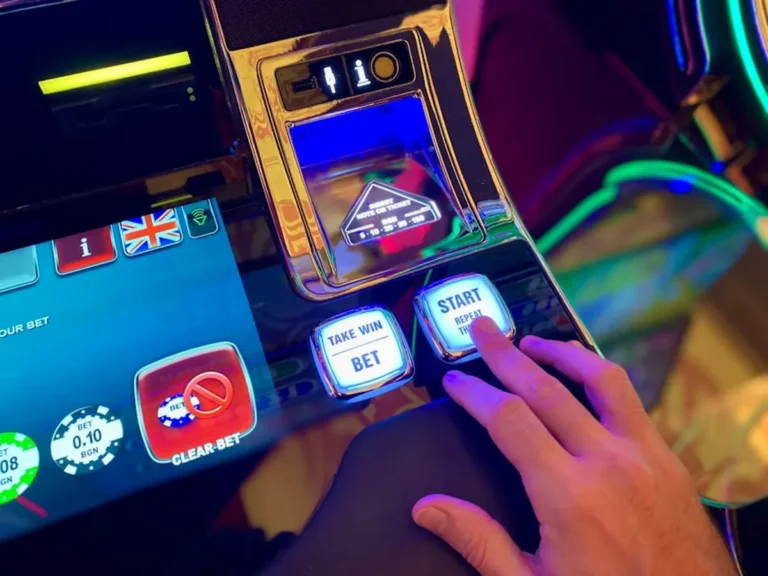
RNG Casino games represent the digital bedrock of online gaming. These games, which include most online slots, virtual table games like blackjack and roulette, and video poker, rely on complex algorithms to ensure unpredictable outcomes. A certified Random Number Generator continuously produces sequences of numbers, which are then translated into game results, such as slot reel positions or card draws.
- Core Mechanism: Pseudo-random number generators (PRNGs) are at the heart of these games, audited by independent third-party agencies (e.g., eCOGRA, iTech Labs) to verify fairness and randomness. This certification is a critical trust signal for players and regulators alike.
- Operational Footprint: From a commercial standpoint, RNG games are highly scalable. Once developed and integrated, their operational cost per player is minimal, primarily involving server maintenance and licensing fees. They do not require human dealers or dedicated studio space, allowing for a vast library of titles to be offered simultaneously to an unlimited number of players.
- Player Experience: Players appreciate the speed and self-paced nature of RNG games. They can play at their own rhythm, without waiting for other players or dealer actions. The sheer variety, particularly in the slot segment, offers diverse themes, mechanics, and jackpot opportunities.
Best for: Platforms prioritizing high scalability, broad game variety, lower per-player operational costs, and asynchronous gameplay. Also effective for attracting players who prefer solitary play and rapid game rounds.
Understanding Live Casino Games
Live Casino games bridge the gap between online convenience and the traditional brick-and-mortar casino experience. These games feature real human dealers operating physical tables and equipment, with the action streamed live in high definition to players’ devices. Interaction is facilitated through chat functions, allowing players to communicate with the dealer and sometimes with other participants.
- Core Mechanism: Live streaming technology and professional human dealers are central. Game outcomes are determined by physical cards, roulette wheels, or dice, rather than algorithms. This tangible interaction builds a strong sense of authenticity and trust, as players can visually confirm the fairness of each game round.
- Operational Footprint: Live Casino operations carry a significantly higher overhead. They require dedicated studios, professional dealers and pit bosses, advanced streaming infrastructure, and robust IT support. These costs scale with the number of tables and active dealers, making efficient resource management crucial for profitability.
- Player Experience: The appeal lies in immersion, social interaction, and perceived transparency. Players enjoy the atmosphere of a real casino, the personal touch of a dealer, and the reassurance that comes from observing physical gameplay. This often translates to longer session times and higher average bet values compared to RNG games.
Best for: Platforms aiming to cultivate a premium, interactive, and trustworthy gaming environment. Ideal for attracting players who value social engagement, authentic casino atmosphere, and higher-stakes gameplay.
Core Differentiators: A Strategic Comparison
Player Experience & Engagement
RNG games offer instant gratification and personal control over game pace, catering to players seeking quick entertainment bursts or focused strategy. Live Casino, conversely, provides a more extended, social, and immersive experience, fostering a sense of community and trust through human interaction. This distinction is critical for marketing segmentation; RNG appeals to volume players and casual users, while Live Casino attracts those seeking a more sophisticated or social engagement. Understanding which are the best live casino games is key to attracting and retaining players who seek a more sophisticated or social engagement.
Operational Costs & Scalability
The cost structures diverge significantly. RNG games incur substantial upfront development and licensing fees, but marginal operational costs per player thereafter, allowing for near-infinite scalability. Live Casino requires ongoing, substantial investment in personnel, studio infrastructure, and streaming bandwidth, meaning scalability is directly tied to increased operational expenditure. A single live table can only accommodate a finite number of players, unlike a virtual slot game.
Trust & Transparency
While both game types are subject to rigorous regulatory scrutiny, player perception of fairness often differs. RNG games rely on certified algorithms and audit reports to establish trust. Live Casino games leverage visual transparency; players witness the dealer shuffle cards or spin the wheel in real-time, which can be a more intuitive and immediate trust builder for many. This direct observation often mitigates concerns about game manipulation, even if unwarranted for audited RNG titles.
Game Variety & Innovation
RNG technology allows for an explosion of creativity in game design, particularly in slots, with diverse themes, bonus features, and mechanics that are difficult to replicate in a live setting. Live Casino innovation focuses more on enhancing the interactive experience, introducing new game show formats, or unique table game variants that leverage the live dealer element. The development cycles and creative constraints differ substantially between the two.
Technological Requirements
RNG games demand robust server infrastructure, efficient code, and secure random number generation. Bandwidth requirements for players are relatively low. Live Casino, however, necessitates high-definition video streaming capabilities, low-latency data transmission, and sophisticated studio equipment, demanding significantly higher bandwidth from both the operator and the end-user. This impacts accessibility for players with slower internet connections and increases the platform's technical overhead.
Pro Tip for Platform Operators: When evaluating the integration of Live vs. RNG offerings, conduct thorough market research into your target demographic's internet infrastructure and gaming preferences. High-latency regions or mobile-first audiences may find RNG games more accessible and performant, while established markets with robust broadband might prioritize the immersive quality of Live Casino. Tailoring your portfolio to these technical realities can significantly impact user acquisition and retention rates.
Strategic Considerations for Platform Operators
The decision to emphasize Live or RNG games, or to build a balanced portfolio, should align directly with broader business objectives and target market characteristics. Operators must consider several factors:
- Audience Segmentation: Identify whether your primary audience values rapid, independent play (RNG) or social, authentic interaction (Live). A blended approach might cater to a wider demographic, but targeted marketing for each segment is essential.
- Resource Allocation: Evaluate the capital expenditure and ongoing operational costs. Live Casino demands significant investment in staff and infrastructure, impacting profitability margins differently than the more scalable RNG model.
- Market Positioning: Determine your brand's unique selling proposition. A brand focused on innovation and vast game libraries might lean towards RNG, while one emphasizing premium, trustworthy, and immersive experiences would prioritize Live Casino.
- Regulatory Landscape: Jurisdictional requirements can vary for Live and RNG games, particularly regarding licensing, auditing, and responsible gaming features. Ensure your chosen strategy aligns with all applicable regulations.
- Technological Infrastructure: Assess your platform's ability to support the technical demands of each game type, including server capacity, streaming quality, and mobile optimization.
Ultimately, a successful online gaming platform often integrates both Live and RNG offerings, strategically balancing their respective strengths to create a comprehensive and appealing entertainment ecosystem. The key lies in understanding where each game type provides the most commercial leverage for your specific business model.
Frequently Asked Questions
Which type of casino game generates more revenue?
Revenue generation varies significantly by market, player base, and specific game titles. Generally, while RNG slots attract a massive volume of bets due to their accessibility and variety, Live Casino games often see higher average bet values and longer player sessions, contributing substantial revenue from a more dedicated player segment. The optimal strategy often involves a balanced portfolio.
Are Live Casino games fairer than RNG games?
Both Live and RNG casino games, when hosted by reputable and licensed operators, are designed to be fair. RNG games are rigorously audited by independent third parties to ensure their algorithms produce truly random outcomes. Live Casino games offer visual transparency by using physical equipment and human dealers, which many players perceive as more trustworthy, even if the underlying fairness is comparable when properly regulated.
What are the technical demands for operating Live Casino games?
Operating Live Casino games requires significant technical infrastructure, including high-definition video streaming capabilities, low-latency data transmission, robust server capacity, and specialized software for managing real-time interactions. A stable, high-bandwidth internet connection is crucial for both the operator's studio and the player's device to ensure a seamless experience.
Can RNG and Live Casino games be offered on the same platform?
Yes, most modern online gaming platforms integrate both RNG and Live Casino games. This allows operators to cater to a broader range of player preferences and maximize engagement. The challenge lies in seamlessly integrating diverse software providers and ensuring a consistent user experience across all game types.