Live dealer casino games represent a significant evolution in online gambling, bridging the gap between digital convenience and the authentic casino floor experience. Unlike traditional online casino games that rely on Random Number Generators (RNGs) to determine outcomes, live dealer games feature real human dealers, physical cards, roulette wheels, and other casino equipment, all streamed in real-time to players. This format offers a transparency and interactivity that resonates strongly with a segment of the online gaming audience, making it a critical component for operators seeking to capture market share and enhance player retention.
For SEO professionals, marketers, and site owners, understanding the nuances of live dealer offerings is essential. These games attract specific player demographics, often those seeking higher stakes, greater social interaction, or a more verifiable gaming process. The operational complexities, technological requirements, and unique player engagement strategies associated with live dealer platforms differ substantially from their RNG counterparts, impacting content strategy, user experience design, and promotional efforts.
Defining Live Dealer Casino Games
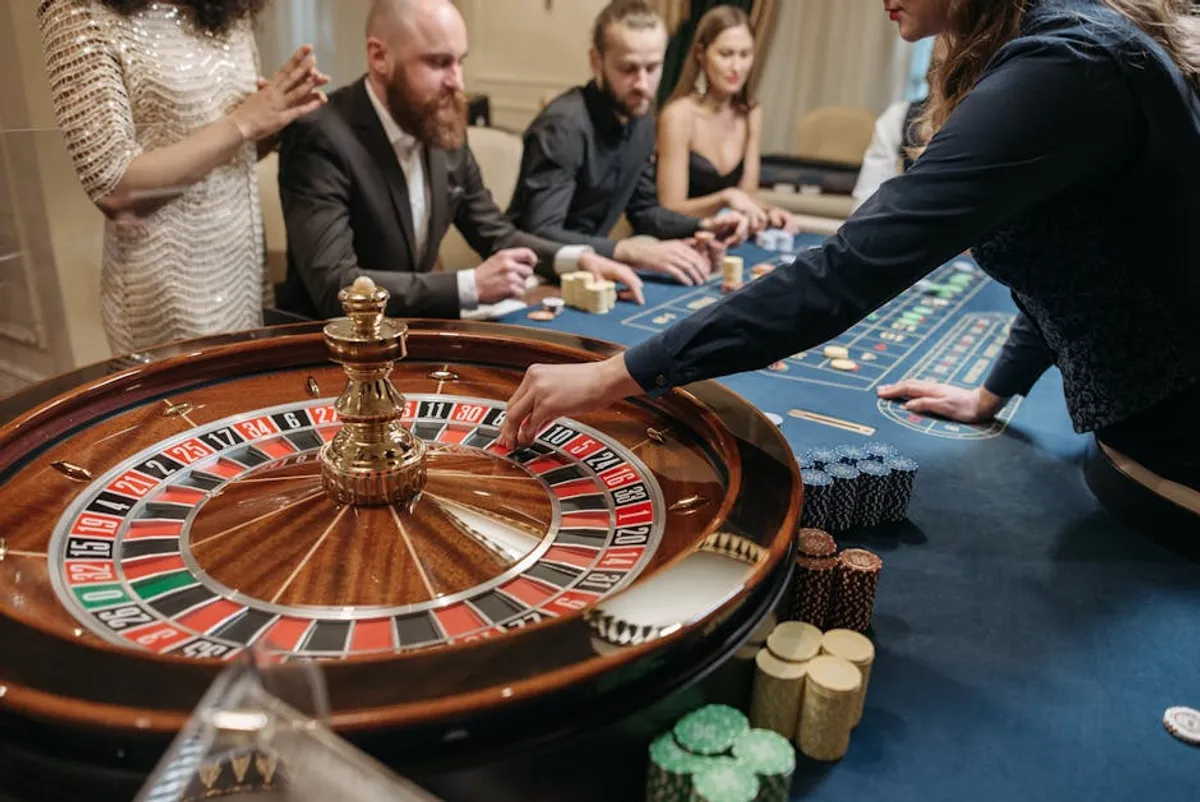
At their core, live dealer games are a fusion of traditional casino mechanics and advanced streaming technology. Players participate in real-time games hosted by professional dealers in a studio environment, which is often designed to mimic a high-end casino. The action is captured by multiple high-definition cameras and broadcast live to players' devices, allowing them to place bets, interact with the dealer, and sometimes even chat with other players at the table.
Key Components of the Live Experience
The immersive nature of live dealer games stems from several integrated components:
- Professional Dealers: Trained human dealers manage the game, deal cards, spin wheels, and interact with players, replicating the social aspect of a physical casino.
- Physical Gaming Equipment: Actual cards, roulette wheels, and dice are used, providing tangible results that players can observe directly, fostering a sense of fairness and authenticity.
- Real-time Streaming: High-definition video feeds deliver continuous, synchronous action, ensuring players witness every moment of the game as it unfolds.
- Interactive User Interface: A digital overlay allows players to place bets, view game statistics, and communicate with the dealer via a chat function, integrating digital convenience with live interaction.
- Optical Character Recognition (OCR): This technology translates physical game actions (e.g., card values, roulette wheel results) into digital data, which is then displayed on the player's screen and processed by the game software.
Technology Underpinning Live Streams
The seamless operation of live dealer games relies on robust technological infrastructure. High-speed internet connections are paramount, both for the studio broadcasting and the players receiving the stream, to prevent latency and ensure a smooth gaming experience. Advanced video encoding and compression techniques are employed to deliver high-quality visuals without excessive bandwidth demands. Furthermore, sophisticated game control units (GCUs) are integrated into the gaming equipment, acting as the brain of the operation by encoding the video and managing the game data flow. This technological stack ensures that the live action is accurately captured, digitally interpreted, and delivered to players with minimal delay.
Operational Considerations for Live Dealer Platforms
Launching and maintaining a live dealer offering involves significant operational investment and strategic planning. The infrastructure required extends beyond typical online casino setups, introducing elements of physical studio management and specialized staffing.
Studio Setup and Dealer Management
Live dealer studios are purpose-built facilities, often operating 24/7. These studios house numerous gaming tables, each equipped with multiple cameras, lighting, and audio systems. The design aims to create an appealing backdrop that enhances the player's perception of a premium casino environment. Dealer management is a continuous process, involving recruitment, extensive training in game rules and player interaction, and ongoing performance monitoring. Dealers must be proficient in managing game flow, engaging with players, and maintaining a professional demeanor under constant camera surveillance. Beyond dealers, the studio requires pit bosses for supervision, technical support staff for equipment maintenance, and IT personnel to manage the streaming and data infrastructure.
Game Selection and Customization
The portfolio of live dealer games typically includes classics like blackjack, roulette, and baccarat, often expanded with poker variations, craps, and popular game show-style offerings. Operators frequently seek customization options to differentiate their live dealer lobbies, including branded tables, dedicated environments, and exclusive game variants. This allows for tailoring the experience to specific market segments or promotional campaigns, enhancing brand identity and player loyalty. The ability to offer games in multiple languages with native-speaking dealers also broadens market reach and improves player comfort.
Pro Tip: Implementing a live dealer platform requires substantial capital expenditure for studio setup, equipment, and ongoing staffing. Operators must conduct thorough market research and financial modeling to assess the return on investment, considering licensing, regulatory compliance across jurisdictions, and the continuous need for technological upgrades to maintain competitive streaming quality and game variety.
Player Engagement and Retention Strategies
The commercial success of live dealer games hinges on their ability to attract and retain players through unique engagement mechanisms that RNG games cannot replicate.
The Role of Interactivity
Direct interaction with a human dealer and the option to chat with other players foster a sense of community and social engagement. Dealers often respond to player messages, adding a personal touch that enhances the gaming experience. This interactivity builds rapport and makes players feel more connected to the game and the platform, contributing to longer session times and increased loyalty. Game show formats, in particular, leverage high levels of interaction and entertainment value to draw in a broad audience.
Trust and Transparency as Core Value Propositions
One of the primary appeals of live dealer games is the inherent transparency. Players can visually verify the shuffling of cards, the spin of the roulette wheel, and the outcome of each round, eliminating any doubt about the fairness of the game. This direct observation builds trust, which is a critical factor in online gambling. For operators, promoting this transparency through clear visuals, reliable streaming, and professional dealer conduct is a key strategy for attracting and retaining players who prioritize verifiable outcomes over purely digital simulations.
Monetization Models and Market Trends
Live dealer games typically exhibit higher average bet sizes and longer player engagement compared to their RNG counterparts, contributing significantly to an online casino's Gross Gaming Revenue (GGR). The perceived authenticity and higher stakes attract a demographic willing to spend more. Market trends indicate a continuous growth trajectory for the live dealer segment, driven by technological advancements, expanding game libraries, and increasing player demand for immersive experiences. Mobile optimization is also a critical factor, with a growing number of players accessing live dealer games via smartphones and tablets, necessitating responsive designs and stable mobile streaming capabilities.
Maximizing Live Dealer Opportunities
For online casino operators and their marketing teams, a deep understanding of live dealer games is not merely academic; it is foundational for strategic growth. Recognizing the unique player motivations, the operational demands, and the technological backbone of these offerings allows for the development of targeted content, effective promotional campaigns, and a user experience that capitalizes on the strengths of real-time, interactive gaming. Focusing on the pillars of authenticity, transparency, and social engagement will be key to unlocking the full commercial potential within this dynamic segment of the online gambling market.
Frequently Asked Questions
What makes live dealer games different from regular online casino games?
Live dealer games use real human dealers and physical casino equipment, streamed live, providing an interactive and transparent experience, unlike regular online games that rely on computer-generated outcomes (RNGs).
Do live dealer games require special software or equipment to play?
Players typically do not need special software beyond a standard web browser or a casino's dedicated mobile app. A stable, high-speed internet connection is crucial for a smooth streaming experience.
How can I be sure live dealer games are fair?
Fairness is ensured through visible, real-time gameplay with physical equipment, overseen by professional dealers and often regulated by gaming authorities. Optical Character Recognition (OCR) technology accurately translates physical actions into digital data, further enhancing transparency.
What types of games are available in a live dealer format?
Common live dealer games include classics like blackjack, roulette, baccarat, and poker variations. Many providers also offer popular game show-style games and unique table game variants to diversify the selection.