
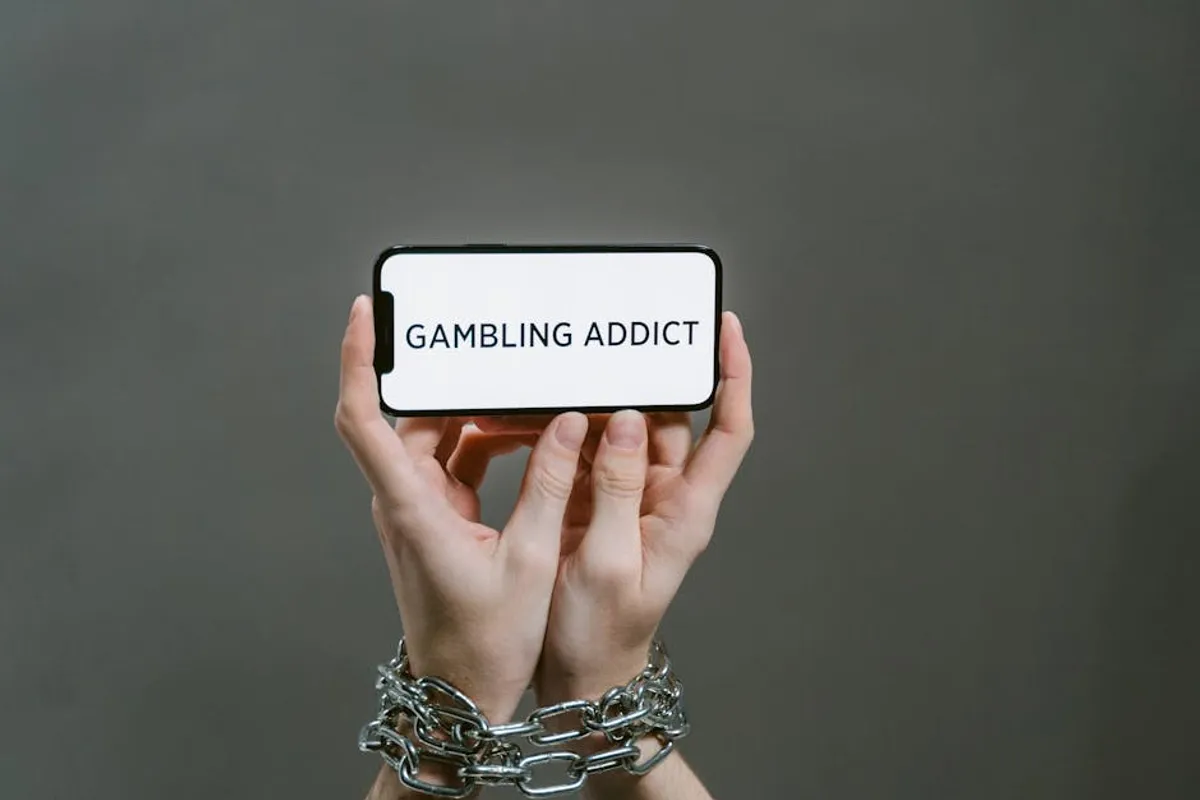
Engaging with casino games can be an entertaining leisure activity, provided it remains within controlled parameters. For players, understanding and implementing responsible gambling practices is not merely a cautionary measure, but a foundational element for sustained enjoyment and financial stability. This approach ensures that participation in casino activities remains a form of entertainment rather than evolving into a source of stress or financial strain. Adopting a proactive stance on responsible play involves setting clear personal boundaries, understanding the mechanics of the games, recognizing potential warning signs, and knowing where to access support if needed. These practices are critical for maintaining control and ensuring that gaming contributes positively to one's recreational life.
Establishing Personal Limits
Effective responsible gambling begins with the establishment of clear, non-negotiable personal limits. These boundaries serve as a framework to manage both financial outlay and time commitment, preventing impulsive decisions that can lead to regret.
Financial Allocation for Entertainment
Before engaging in any casino activity, designate a specific amount of money as your entertainment budget. This budget should consist of funds you are prepared to lose without impacting essential expenses, savings, or financial obligations. It is crucial to treat this allocation as a fixed cost for leisure, similar to tickets for a concert or a meal out. Once this budget is exhausted, play should cease for that period. Avoid the temptation to chase losses by dipping into funds earmarked for other purposes, as this is a common precursor to financial difficulty. Consider using pre-paid cards or setting daily/weekly deposit limits where available to enforce these financial boundaries rigorously.
Managing Time Spent Playing
Beyond financial limits, setting clear time limits for casino sessions is equally vital. It is easy to lose track of time when engrossed in a game, which can lead to extended play beyond initial intentions. Decide in advance how long you intend to play, whether it's 30 minutes, an hour, or a specific duration. Utilize alarms or timers to signal the end of a session. Regular breaks are also beneficial; step away from the screen or table, clear your mind, and reassess your engagement. This practice helps maintain perspective and prevents gaming from consuming disproportionate amounts of your day or night.
Cultivating Realistic Expectations
A fundamental aspect of responsible gambling involves understanding the nature of casino games themselves. Realistic expectations prevent disappointment and mitigate the urge to pursue unrealistic wins.
Understanding Game Volatility and RTP
Casino games are designed with inherent mathematical advantages for the house. Familiarize yourself with concepts like Return-to-Player (RTP) percentages and game volatility. RTP indicates the theoretical percentage of wagered money a game will pay back to players over time. A higher RTP generally means better long-term odds for the player, but it never guarantees individual wins. Volatility, or variance, describes the risk level of a game; high volatility games offer larger, less frequent wins, while low volatility games offer smaller, more frequent payouts. Understanding these metrics helps manage expectations about potential returns and the frequency of wins or losses.
Debunking Common Gambling Myths
Many misconceptions surround casino play, often fueled by anecdotal evidence or wishful thinking. The "gambler's fallacy," for instance, is the mistaken belief that past outcomes influence future independent events (e.g., assuming a roulette wheel is "due" for red after several blacks). Similarly, believing in "hot" or "cold" streaks, or that specific systems can beat the house edge, are common pitfalls. Recognize that each spin, hand, or roll is an independent event governed by random chance. Approaching games with this rational understanding reduces the emotional impact of losses and fosters a more controlled playing environment.
Identifying Potential Issues
Responsible gambling also involves self-awareness and the ability to recognize when play might be transitioning from entertainment to a problem. Early identification of warning signs is crucial for intervention.
Emotional and Psychological Cues
Pay attention to your emotional state before, during, and after playing. If you find yourself gambling to escape problems, alleviate boredom, or cope with stress, these are significant emotional red flags. Feelings of guilt, anxiety, irritability, or depression related to your gambling activity are strong indicators that your relationship with gaming may be unhealthy. An increasing preoccupation with gambling, where thoughts about it consume your mind even when not playing, also signals a potential issue.
Behavioral and Social Indicators
Behavioral changes can also point to concerns. These include increasing the amount of money or time spent gambling to achieve the same level of excitement, lying about gambling activities to family or friends, or neglecting responsibilities at work, school, or home due to gambling. If you find yourself borrowing money to gamble or to pay off gambling debts, or if gambling is causing strain in personal relationships, it is time to reassess your habits.
Pro Tip: Regularly check in with yourself about your gambling habits. Ask: "Am I still having fun? Is this impacting my finances or relationships negatively? Am I being honest with myself and others about my play?" Honest self-assessment is the first step toward maintaining control or seeking help.
Accessing Support and Tools
Should concerns arise, or simply as a preventative measure, various tools and resources are available to support responsible play.
Implementing Self-Exclusion Measures
Most reputable online casinos and land-based establishments offer self-exclusion programs. These allow players to voluntarily ban themselves from gambling for a specified period (e.g., six months, one year, or indefinitely). This is a powerful tool for those who feel they are losing control and need a definitive break. Utilizing self-exclusion demonstrates a proactive commitment to responsible play and can provide the necessary space to reassess one's relationship with gambling.
Connecting with Assistance Organizations
Numerous organizations worldwide are dedicated to providing free, confidential support and resources for individuals affected by problem gambling. These groups offer helplines, counseling services, and peer support networks. Seeking help from these professionals is a sign of strength, not weakness, and can provide effective strategies for managing gambling behavior. Many jurisdictions also offer national self-exclusion registers that cover multiple operators simultaneously.
- Set a strict budget and stick to it, treating it as entertainment money.
- Establish time limits for each session and adhere to them.
- Understand the odds and randomness of games; avoid chasing losses.
- Monitor your emotional state and behavior for any changes related to gambling.
- Utilize self-exclusion tools if you feel you are losing control.
- Reach out to support organizations for confidential assistance when needed.
Actionable Steps for Sustainable Play
Maintaining a sustainable and enjoyable relationship with casino games requires ongoing vigilance and proactive management. Treat responsible gambling as an integral part of your overall financial and emotional well-being strategy. Regularly review your limits and adjust them as your circumstances change. Engage in gambling only when you are in a positive frame of mind, free from stress or the influence of alcohol, which can impair judgment. By embedding these practices into your routine, casino play can remain a harmless and occasional source of entertainment, contributing to a balanced lifestyle rather than detracting from it.
Frequently Asked Questions
What defines responsible gambling?
Responsible gambling involves making informed decisions about your participation in gaming, setting clear financial and time limits, understanding the risks involved, and ensuring that gambling remains a form of entertainment without causing harm to your finances or personal life.
How do I effectively set a budget for casino play?
Allocate a specific amount of disposable income that you can comfortably afford to lose without affecting your essential expenses or savings. This budget should be treated as an entertainment cost, and once it's spent, you should stop playing until your next allocated period.
When should I consider seeking help for gambling concerns?
If you find yourself gambling to escape problems, lying about your activities, neglecting responsibilities, experiencing financial difficulties due to gambling, or feeling distressed by your play, it's advisable to seek help from a support organization or professional.
Are there tools available to help manage my gambling?
Yes, many platforms offer tools like deposit limits, loss limits, session time limits, and self-exclusion options. Additionally, third-party organizations provide resources, counseling, and national self-exclusion programs to help individuals manage their gambling behavior.