
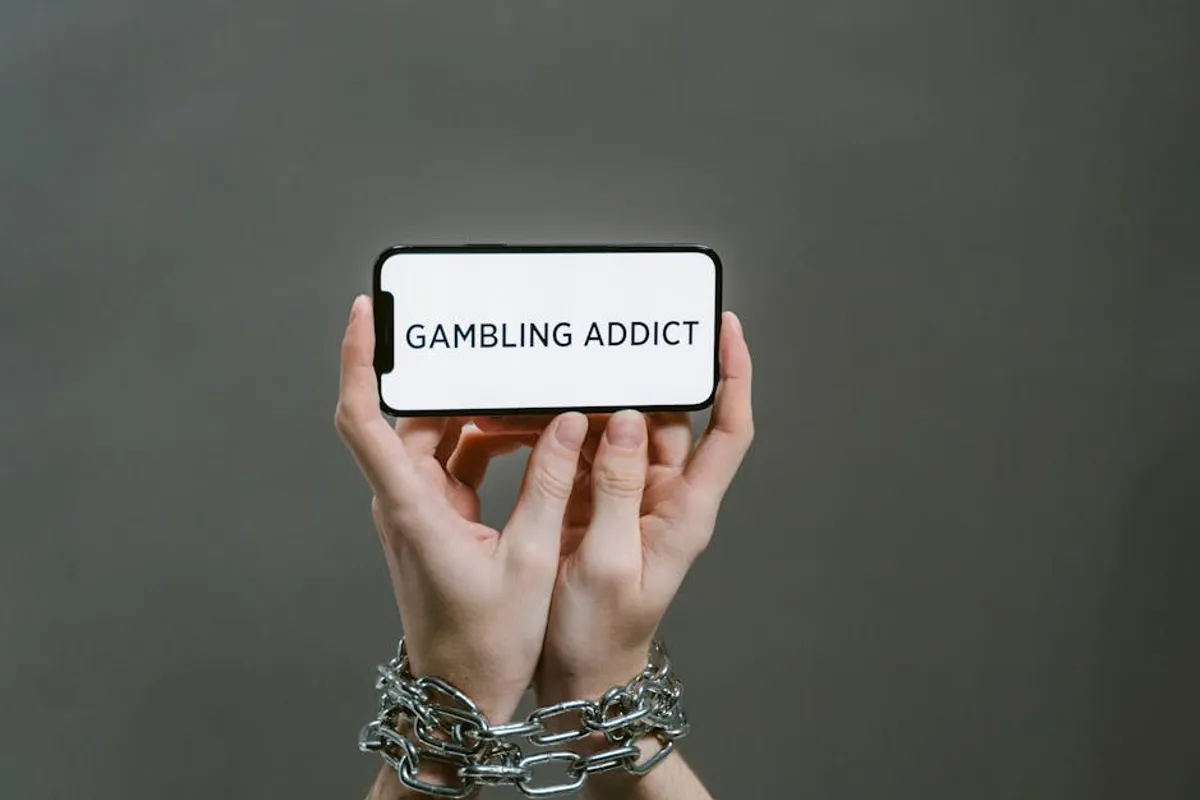
Online gambling presents a significant entertainment avenue, offering diverse games and accessible platforms. However, sustained engagement and positive experiences hinge on a disciplined approach to play. For both new and experienced participants, understanding and implementing responsible gambling practices is not merely a recommendation; it is fundamental to preserving financial stability, mental well-being, and the recreational value of the activity. Effective responsible gambling strategies empower players to maintain control, ensuring that online gaming remains a source of enjoyment rather than a financial or emotional burden. This involves proactive measures, self-awareness, and the strategic use of available tools to manage play effectively.
Establishing Clear Financial Boundaries
One of the most critical aspects of responsible online gambling involves setting and adhering to strict financial limits. This practice prevents overspending and ensures that gambling expenditures remain within a predetermined budget, separate from essential living costs. Effective financial management in online play encompasses several distinct limit types.
Utilizing Deposit and Loss Limits
Deposit limits restrict the total amount of money a player can add to their account within a specified timeframe, such as daily, weekly, or monthly. This direct control mechanism prevents impulsive or excessive funding. Complementary to this are loss limits, which cap the total amount of money a player can lose over a set period. Once this threshold is reached, further wagers are prevented until the next period begins. Implementing both types of limits provides a two-pronged defense against financial overcommitment, ensuring that capital allocated to gambling is finite and managed.
Implementing Wager and Session Limits
Beyond funding, managing the actual betting activity is crucial. Wager limits restrict the maximum amount a player can bet on a single game or within a specific session. This prevents rapid depletion of funds through high-stakes play. Session limits, on the other hand, define the maximum duration a player can spend actively gambling in a single sitting. When the session limit is approached, a notification typically appears, prompting the player to consider ending their play. These controls help to regulate the intensity and duration of gambling activity, promoting more thoughtful and less impulsive engagement.
Managing Time and Engagement Effectively
Beyond financial controls, responsible gambling requires a conscious effort to manage the time spent on online platforms. Excessive time commitment can lead to neglecting other responsibilities, social isolation, and an unhealthy fixation on gaming outcomes.
Implementing Reality Checks and Cool-Off Periods
Many online platforms offer "reality check" features, which periodically display a summary of a player's activity, including time spent and money wagered/won/lost. These pop-ups serve as a crucial reminder to pause and evaluate engagement. For more structured breaks, cool-off periods allow players to temporarily block access to their account for a set duration, typically ranging from 24 hours to several weeks. This provides a short-term respite, breaking the cycle of continuous play and encouraging reflection without resorting to full self-exclusion.
Understanding Self-Exclusion Mechanisms
For individuals needing a more significant break, self-exclusion is a powerful tool. This option allows players to permanently or semi-permanently block access to their online gambling accounts across one or multiple platforms. Self-exclusion periods can range from six months to several years, or even indefinitely. This measure is particularly effective for those who find it challenging to control their gambling habits through simpler limits and require external enforcement to cease play. It’s a commitment to disengage for a substantial period, enabling a re-evaluation of one's relationship with gambling.
Pro Tip: Regularly review and adjust your financial and time limits. What feels appropriate today might need modification next month due to changing personal circumstances or financial commitments. Proactive adjustment is a hallmark of truly responsible play, preventing reactive measures after a problem has developed.
Recognizing and Responding to Warning Signs
Self-awareness is paramount in responsible gambling. Players should be attuned to behavioral and emotional shifts that may indicate a developing problem. Early recognition allows for timely intervention.
- Chasing Losses: The urge to continue playing to recover money already lost, often leading to increased stakes or longer sessions.
- Prioritizing Gambling: Neglecting work, family, or social obligations in favor of gambling.
- Borrowing Money: Resorting to loans or credit to fund gambling activity, especially after exhausting personal funds.
- Concealing Activity: Hiding gambling from family or friends due to shame, guilt, or fear of judgment.
- Emotional Volatility: Experiencing irritability, anxiety, or depression related to gambling outcomes or the inability to gamble.
- Increased Stakes: Feeling the need to bet larger amounts or play more frequently to achieve the same level of excitement.
Should any of these signs become apparent, it is crucial to pause and seek assistance. Many jurisdictions offer confidential helplines and support organizations dedicated to helping individuals manage problem gambling.
Maintaining a Balanced Lifestyle
Online gambling, at its core, should be a form of entertainment that complements a well-rounded life, not defines it. A balanced lifestyle acts as a natural buffer against excessive gambling engagement.
Cultivating Diverse Interests and Hobbies
Engaging in a variety of activities outside of gambling helps to distribute focus and provide alternative sources of enjoyment and fulfillment. This could include sports, creative arts, reading, volunteering, or learning new skills. A broad range of interests reduces the likelihood of gambling becoming the sole or primary source of excitement and mental stimulation. It reinforces the idea that gambling is one leisure activity among many, rather than an all-consuming pursuit.
Prioritizing Social Connections and Physical Health
Maintaining strong social bonds with family and friends provides essential support systems and opportunities for non-gambling related recreation. Open communication with trusted individuals can also serve as a safeguard, as loved ones may notice changes in behavior before the individual does. Similarly, prioritizing physical health through exercise, proper nutrition, and adequate sleep contributes to overall well-being and mental resilience, making individuals less susceptible to the negative impacts of excessive gambling.
Empowering Your Play with Responsible Habits
Responsible gambling is an ongoing process requiring vigilance and self-discipline. By proactively setting financial and time limits, understanding the tools available for self-management, recognizing early warning signs, and fostering a balanced lifestyle, players can ensure that online gambling remains a controlled and enjoyable form of entertainment. The power to play responsibly lies in informed choices and consistent self-monitoring, leading to a healthier relationship with online gaming platforms.
Frequently Asked Questions
What is the most effective way to set a gambling budget?
The most effective way is to determine an amount you can comfortably afford to lose without impacting your financial obligations or lifestyle. This should be discretionary income, not money needed for rent, groceries, or savings. Use deposit limits offered by platforms to enforce this budget.
How do "reality checks" help with responsible gambling?
Reality checks are pop-up notifications that periodically inform you of your session duration and financial activity. They serve as a crucial reminder to take a break, assess your current state, and decide whether to continue playing, thus preventing unconscious over-engagement.
Can I reverse a self-exclusion decision?
Generally, self-exclusion is a serious commitment and cannot be easily reversed. The terms vary by platform and jurisdiction, but typically, there is a mandatory minimum exclusion period during which account access is strictly denied. Reinstatement often requires a formal request and a waiting period after the exclusion term ends.
Are online casino games fair and regulated?
Reputable online casino games use Random Number Generators (RNGs) to ensure outcomes are random and unbiased. These platforms are typically licensed and regulated by independent authorities that audit their systems for fairness and compliance. Always verify a platform's licensing and regulatory information before playing.