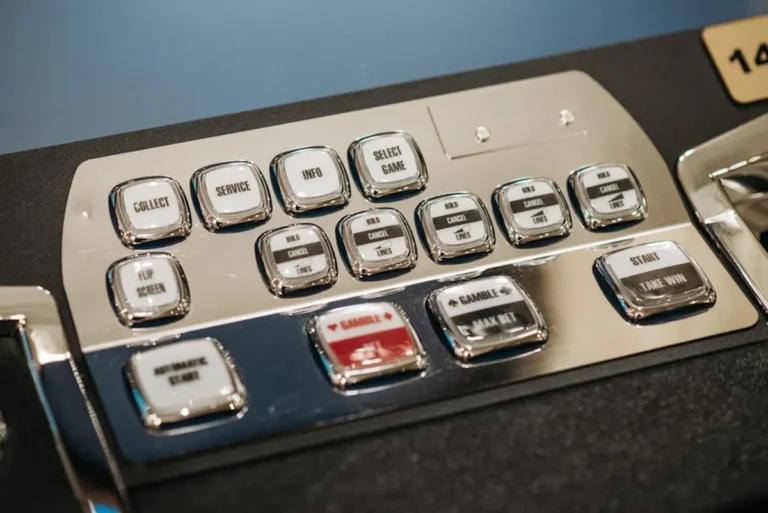

Players often encounter foreign online casinos when seeking alternatives to domestically regulated platforms. These casinos operate under licenses issued by jurisdictions outside a player's immediate country, offering a distinct set of features and considerations. The appeal typically centers on broader game selections, unique bonus structures, or different operational models not permitted by local regulations. However, this expanded choice introduces complexities regarding player protection, legal enforceability, and responsible gambling measures, necessitating a clear understanding of the landscape before engaging. This complexity means players should carefully compare online casinos before committing to play.
Advantages of Foreign Online Casinos
Foreign online casinos frequently present a wider array of gaming options and promotional incentives compared to their locally licensed counterparts. These benefits stem from differing regulatory frameworks and competitive market dynamics.
Expanded Game Libraries and Software Providers
Many foreign casinos collaborate with a more diverse range of software developers, including studios that may not hold licenses in stricter domestic markets. This results in access to thousands of slot titles, novel table game variants, and live dealer experiences that might be unavailable elsewhere. The breadth of choice can be a significant draw for players looking for specific game mechanics, themes, or developers.
Varied Bonus Structures and Promotions
Foreign online casinos often offer larger welcome bonuses, more frequent reload bonuses, and loyalty programs with higher value. This is partly due to different tax structures or less stringent advertising regulations in their licensing jurisdictions, allowing them to allocate more funds to player incentives. Players may find more favorable wagering requirements or bonus terms, although careful review of these conditions remains critical.
Alternative Payment Methods
These platforms commonly support a broader spectrum of payment solutions, including various e-wallets, cryptocurrency options, and international banking methods. This can be advantageous for players who prefer specific transaction types for privacy, speed, or lower fees, or for those who face restrictions with traditional banking methods on domestic sites.
Inherent Risks and Disadvantages
While foreign online casinos can offer compelling advantages, they also carry significant risks, primarily due to regulatory differences and potential consumer protection gaps. These risks directly impact player safety, financial security, and dispute resolution capabilities. Addressing these issues requires a strong focus on responsible gambling measures to protect vulnerable players.
Limited Player Protection and Regulatory Oversight
The primary concern with foreign online casinos is the varied level of player protection. While some foreign licenses (e.g., Malta Gaming Authority, MGA) are robust, others (e.g., Curacao eGaming) offer less stringent oversight. This can translate to weaker enforcement of fair play, responsible gambling policies, and data security standards. In cases of dispute, recourse for players may be challenging, costly, or non-existent, as local consumer protection laws often do not apply.
Challenges with Dispute Resolution
Should a player encounter an issue – such as delayed withdrawals, unfair game outcomes, or account closure – resolving the dispute can be complex. The casino's customer support might be the only avenue, and if an agreement isn't reached, escalating the complaint to the licensing authority might prove difficult. Language barriers, time zone differences, and the lack of a binding local ombudsman can further complicate matters.
Responsible Gambling Tool Deficiencies
Regulated domestic markets typically mandate comprehensive responsible gambling tools, including strict deposit limits, self-exclusion programs, and reality checks. Foreign casinos may offer fewer or less effective tools, potentially exposing vulnerable players to higher risks of problem gambling. The absence of a centralized self-exclusion scheme across multiple foreign-licensed sites means players must manage their own limits across each platform independently.
Legal and Financial Implications
Playing at a foreign online casino might contravene local gambling laws, potentially leading to legal repercussions for the player depending on their jurisdiction. Furthermore, international transactions can incur currency conversion fees or be subject to stricter scrutiny by banks, sometimes leading to payment rejections or delays. Players are also responsible for understanding and reporting any winnings for tax purposes in their home country, which can be complex.
Warning: Always verify the licensing body of any foreign online casino and research its reputation extensively. A license from a reputable jurisdiction like the Malta Gaming Authority (MGA) or the Swedish Gambling Authority (Spelinspektionen) offers a higher degree of player protection than those from less rigorous regulators. Prioritize casinos with transparent terms and a clear, accessible dispute resolution process.
Navigating the Rules and Regulatory Landscape
Understanding the operational framework of foreign online casinos requires familiarity with various licensing bodies and their respective standards. These rules dictate everything from game fairness to data privacy.
Key Licensing Jurisdictions
The most common jurisdictions for foreign online casinos include:
- Malta Gaming Authority (MGA): Known for its stringent regulations, player protection, and robust dispute resolution processes. MGA-licensed casinos are generally considered reputable.
- Curacao eGaming: A popular choice due to lower licensing costs and simpler application processes, but often associated with less rigorous oversight and limited player support in disputes.
- Kahnawake Gaming Commission: An indigenous regulatory body in Canada, offering licenses primarily to operators serving international markets.
- Gibraltar Regulatory Authority (GRA): Similar to the MGA in its strictness, though less common for casinos targeting a broad international audience without a specific focus on the UK or EU.
Each jurisdiction imposes different requirements on operators regarding capital reserves, game testing, responsible gaming, and data protection. Players should investigate the specific requirements of the license held by their chosen casino.
Player Due Diligence and Terms of Service
Before registering, players must meticulously review the casino's terms and conditions. Key areas to scrutinize include:
- Withdrawal Policies: Understand minimum/maximum limits, processing times, and any associated fees.
- Bonus Wagering Requirements: Clarify how many times bonus funds must be played through before they can be withdrawn.
- Know Your Customer (KYC) Process: Be aware of the documentation required for identity verification, which is standard practice to prevent fraud and money laundering.
- Jurisdiction-Specific Restrictions: Confirm that players from your country are accepted and that playing there is not against local laws.
Informed Decision-Making for Players
Engaging with foreign online casinos involves a trade-off between expanded gaming opportunities and increased personal responsibility. The onus is on the player to conduct thorough research and understand the implications of their choices.
Best for: Players who prioritize game variety and unique bonus structures, are comfortable navigating international regulations, and are prepared to undertake extensive due diligence on each platform.
Ultimately, the decision to play at a foreign online casino should be an informed one, based on a clear understanding of the platform's licensing, reputation, and the player's own risk tolerance. Prioritizing safety and regulatory backing over immediate incentives can prevent significant issues down the line.
Frequently Asked Questions
Are foreign online casinos legal to play at?
The legality of playing at foreign online casinos depends entirely on your local jurisdiction's gambling laws. Some countries explicitly prohibit it, while others have no specific laws against it, or only regulate domestic operators. Players must verify their local regulations before engaging.
How can I verify if a foreign casino is legitimate?
Check for a valid license from a recognized regulatory body (e.g., MGA, GRA) displayed prominently on the casino's website. Research independent player reviews, forums, and watchdog sites for feedback on payout reliability, customer service, and fairness. A legitimate casino will also have clear terms and conditions and robust security measures.
What if I have a dispute with a foreign online casino?
First, attempt to resolve the issue directly with the casino's customer support. If unsuccessful, you can typically escalate the complaint to the casino's licensing authority. However, the effectiveness of this process varies significantly by jurisdiction, and some regulators offer limited direct intervention for player disputes.
Can I use my local currency at a foreign online casino?
Many foreign online casinos support multiple currencies and may allow deposits and withdrawals in your local currency. However, be aware that currency conversion fees might apply, either from the casino or your payment provider. Always check the casino's banking terms and your payment method's policies.